SCADA: Networks and Security
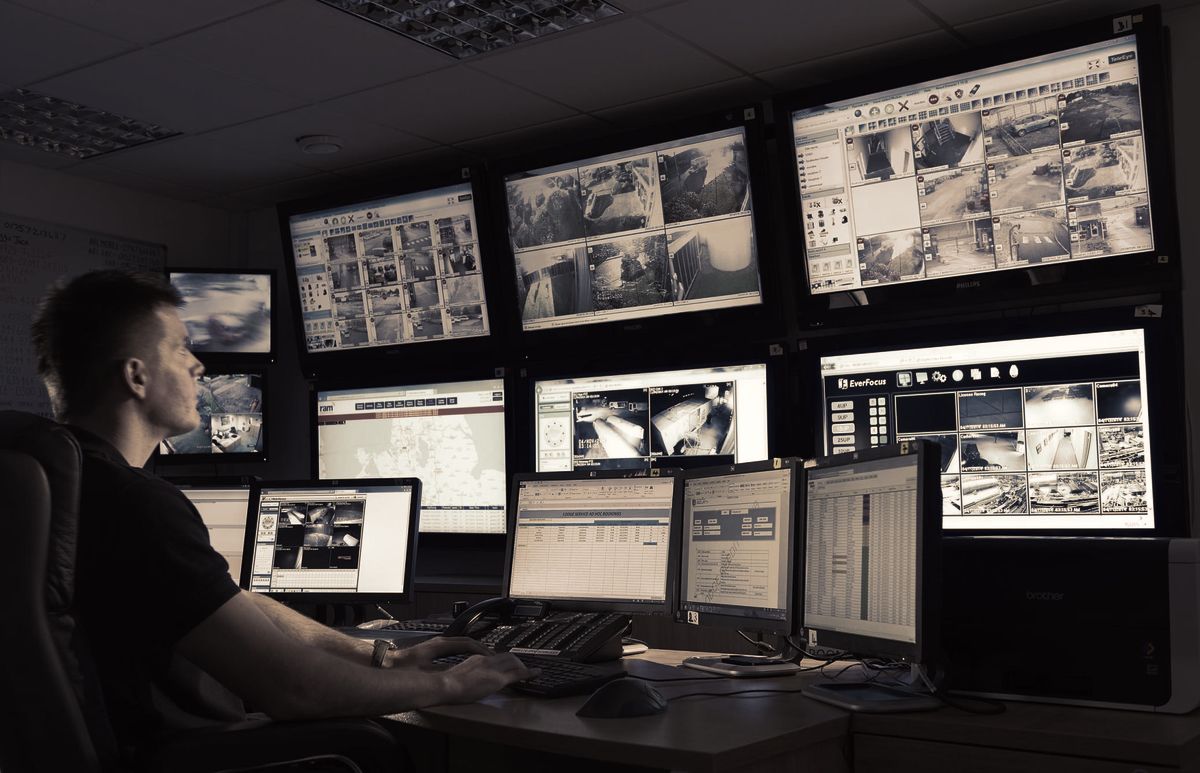
Supervisory Control and Data Acquisition (SCADA) networks can be seen as a common control system used in industrial operations.
These networks are responsible for providing automated control and remote management of essential resources and services – such as water, natural gas, electricity and transport – or less essential ones – such as snow production for ski resorts and beer brewing.
However, SCADA must not be confused with ICS!
These networks are threatened by attacks that could bring down any part of the critical infrastructure, quickly and with disastrous consequences, were it not for the right security. Costs are another fundamental concern: SCADA systems cost millions of dollars, so it is essential that organisations implement solid measures to protect their infrastructure and the people who would be affected by service interruptions, whether caused by an attack or by an error.
Traditional security and security in SCADA
Before computers, the only way to monitor a SCADA network was to deploy several people at each station to report on the status of each system.
The introduction of the Local Area Network (LAN) and improvements in miniaturisation made it possible to develop a distributed SCADA network. Devices able to communicate over a Wide Area Network (WAN) and connect multiple systems followed.
These advances are positive, but they often come at a price: systems that once used relatively harmless proprietary protocols have evolved into systems based on the Internet Protocol (IP) and have inherited all the associated vulnerabilities.
SCADA security threats
From local businesses to national governments, every company or organisation that works with SCADA systems is vulnerable to security threats. These threats can have far-reaching effects on both the economy and the community. The specific threats to SCADA networks include the following:
Hackers
Individuals or groups with malicious intent could bring a SCADA network to its knees. By gaining access to key SCADA components, hackers could unleash chaos in an organisation, ranging from a service interruption to cyber warfare.
Malicious software (malware)
Malware, including viruses, spyware and ransomware, can pose a risk to SCADA systems. Although malware may not be able to target the network itself specifically, it can still be a threat to the key infrastructure that helps manage the SCADA network. This includes the mobile SCADA applications used to monitor and manage SCADA systems.
Terrorists
Whereas hackers are generally motivated by sordid gain, terrorists are driven by the desire to cause as much chaos and damage as possible.
Employees
Insider threats can be just as damaging as external ones. From human error to a disgruntled employee or contractor, it is essential that SCADA security addresses these risks.
Conclusion
Managing today’s SCADA networks can be a challenge without the right security precautions. Many networks still lack the necessary detection and monitoring systems, and this makes them vulnerable. Since attacks on the SCADA network exploit both cyber and physical vulnerabilities, it is essential to align cyber security measures accordingly.